Selling a waterfront home in Lighthouse Point is not the same as selling a typical house. Buyers are not just comparing square footage and finishes. They are also weighing boat access, dock condition, outdoor living, and the overall waterfront lifestyle. If you want to make a strong impression and protect your negotiating position, the right prep can make a real difference. Let’s dive in.
Why prep matters in Lighthouse Point
Lighthouse Point is a uniquely water-focused city in Broward County. The city notes that many homes front its 18 miles of waterways, the east side opens to the Intracoastal Waterway, and about 80% of residences are single-family homes. That gives waterfront sellers a clear reality to work with: buyers often see your property as both a home and a lifestyle asset.
Current market data reinforces the need for thoughtful presentation. As of April 30, 2026, Zillow estimated the average Lighthouse Point home value at $769,432, with homes going pending in around 80 days. Realtor.com reported a March 2026 median listing price of $1,093,500, median days on market of 76, and homes selling for about 94% of asking price. Together, those numbers suggest buyers still have room to negotiate, which makes condition, preparation, and marketing especially important.
Start with the waterfront features
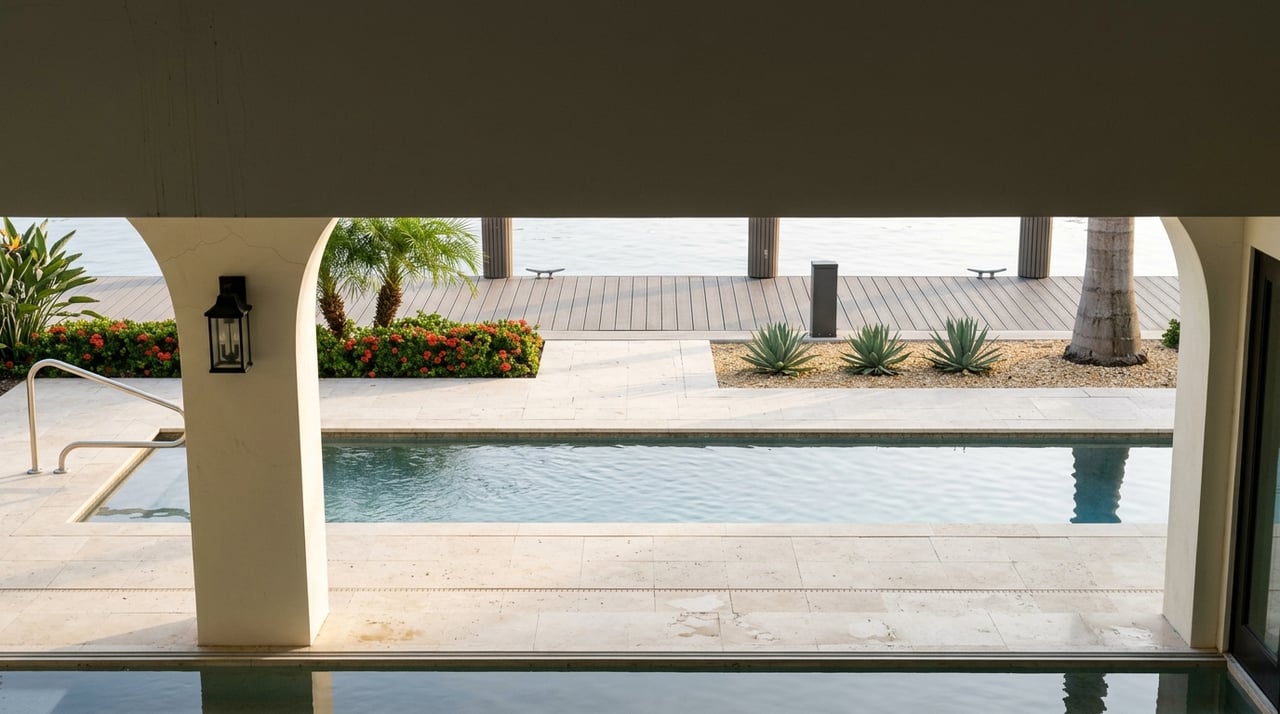
When buyers pull up to a Lighthouse Point waterfront home, they often judge the exterior before they ever step inside. Your dock, seawall, water views, pool area, patio, and overall outdoor setup are central to the home's value. These are not side features. They are part of the main selling story.
Before listing, take a close look at the waterfront elements that buyers are likely to notice first:
- Dock appearance and condition
- Seawall condition
- Piling, lighting, and visible electrical components
- Boat lift or marine features, if present
- Pool deck, lanai, patio, and seating areas
- Landscaping and sight lines to the water
If these spaces feel clean, functional, and easy to enjoy, buyers can picture themselves using them. If they feel cluttered, worn, or uncertain, buyers may focus more on future costs than on lifestyle.
Gather dock and seawall documents early
One of the smartest things you can do before listing is organize any paperwork tied to waterfront improvements. Lighthouse Point's building guidance makes it clear that dock and seawall work is regulated. The city requires an updated dock or seawall survey before final inspection on that type of work, and some major projects may also require signed and sealed engineer letters regarding seawall condition and support.
That means if you have completed dock, seawall, or similar waterfront work, buyers may want proof that it was done properly. Having surveys, permits, contractor information, and engineer documentation ready can help reduce uncertainty during the transaction. It can also save time when questions come up during inspections or negotiations.
Avoid rushed, unpermitted repairs
If you are thinking about freshening up the waterfront before sale, slow down before starting major work. Lighthouse Point requires contractors to be registered with the city, and the city warns that work done without required permits can lead to stop-work orders, notices of violation, and added fees. That is especially relevant for dock, seawall, roofing, piling, and electrical work.
In practical terms, not every issue has to be repaired before listing. But if you choose to do real work, it should be handled correctly and documented. A rushed fix that creates permit questions can be more damaging than a transparent, well-planned pricing strategy.
Focus on the highest-impact staging zones
Staging works because it helps buyers imagine living in the home. According to NAR's 2025 staging research, 83% of buyers' agents said staging made it easier for buyers to visualize a property as their future home. The same research also reported that about 30% of real estate professionals linked staging to a 1% to 10% increase in home value.
For a Lighthouse Point waterfront property, staging should feel polished, clean, and lifestyle-driven. The goal is not to overdecorate. The goal is to make the home feel easy to move into and easy to enjoy.
NAR identifies these as key rooms and spaces to stage first:
- Living room
- Primary bedroom
- Kitchen
- Dining room
- Outdoor spaces
For waterfront homes, outdoor spaces deserve equal attention. A dockside seating area, a tidy pool deck, or a clean patio setup can do as much work as a beautifully styled interior room.
Declutter with waterfront buyers in mind
Clutter is distracting in any listing, but it can be especially costly in a waterfront home where buyers expect a sense of calm, space, and ease. NAR guidance highlights common turnoffs such as visible dirt, dirty air filters, overstuffed closets, and too many personal items. Buyers can also lose confidence when online photos promise more than the in-person visit delivers.
As you prepare your home, pay special attention to these areas:
- Remove excess boat gear, hoses, and loose dock items
- Clear pool toys and outdoor storage clutter
- Reduce personal photos and memorabilia
- Deep-clean windows, sliders, and outdoor surfaces
- Tidy closets, utility areas, and garage storage
- Replace dirty HVAC filters and handle obvious maintenance details
Think of every outdoor area as an extension of the interior. Your patio, lanai, dock, and pool deck should feel like intentional rooms, not catch-all spaces.
Keep the style clean and neutral
Buyers need to focus on the home, not on your taste. Strong colors, crowded decor, or heavily personalized spaces can make that harder. In a waterfront setting, a lighter and more neutral presentation often works best because it supports the natural draw of the water, light, and outdoor views.
You do not need to erase every bit of personality. You just want to simplify the visual field so buyers notice the architecture, layout, and setting. Clean lines, open surfaces, and a consistent look from indoors to outdoors usually create a stronger impression.
Use photos and video strategically
Your online presentation is often the first showing. NAR's 2024 buyer trends report found that among buyers using the internet, photos ranked highest in importance, followed by detailed property information, floor plans, virtual tours, and videos. NAR also notes that buyers value photos, traditional staging, video tours, and virtual tours as core listing elements.
For a waterfront home, this means professional media is not optional if you want to compete well. Just as important, the order of the images matters. Your strongest water-facing photos, dock views, outdoor living areas, and lifestyle shots should lead the gallery rather than getting buried at the end.
Plan for a media day checklist
Before professional photography or video, prepare the property as if a buyer were walking through in person. Cameras catch everything, especially in bright South Florida light. A little extra prep can improve both the visual result and the consistency between online marketing and the actual showing experience.
Use a simple checklist before media day:
- Park cars away from the front view when possible
- Remove trash cans from sight
- Straighten patio furniture and wipe down cushions
- Coil hoses and store loose dock gear
- Clear kitchen and bathroom counters
- Open blinds or window treatments to highlight light and views
- Turn on appropriate interior and exterior lighting
- Clean glass, mirrors, and sliding doors
A polished media package supports stronger first impressions and helps attract buyers who are already motivated by your home's best features.
Protect privacy during showings
Selling a home now almost always involves photography, video, and repeated showings. NAR's privacy and safety guidance recommends removing or securing personal items, mail, calendars, passwords, documents, valuables, and medications. That advice is important for any home, but waterfront properties often have more visible storage areas, utility spaces, and outdoor access points.
Before each showing, do a quick sweep of both the interior and exterior. Put away personal papers, clear counters, secure valuables, and tidy spaces buyers may wander through, including dock boxes, outdoor cabinets, and garage shelves. A clean, private, and orderly home helps buyers stay focused on the property itself.
Decide what to fix and what to disclose
Many sellers ask whether they need to repair the dock or seawall before listing. The answer is not always. Some issues are worth addressing upfront, while others may be better handled through pricing, documentation, or negotiation strategy.
A practical approach is to separate items into three groups:
| Category | What it includes | Best next step |
|---|---|---|
| Cosmetic issues | Cleaning, paint touch-ups, minor visual wear | Usually fix before listing |
| Functional but aging items | Older features still working but visibly dated | Evaluate cost, buyer impact, and documentation |
| Major regulated work | Dock, seawall, piling, electrical, roofing, or other permit-sensitive work | Use registered contractors and confirm permit needs before starting |
This keeps you from overspending in the wrong places while still protecting buyer confidence.
Create a smooth showing experience
Once your home is ready, consistency matters. Buyers should see the same clean, appealing property in person that they saw online. If the photos look polished but the dock is cluttered, the patio is dirty, or storage areas are overflowing, trust can slip quickly.
Try to keep the home show-ready during the listing period. That means quick daily resets, especially in waterfront zones where wind, weather, and active use can create visual clutter fast. A few minutes of touch-up before each showing can help your property stay competitive.
Why the right guidance matters
Preparing a Lighthouse Point waterfront home to sell takes more than basic tidying. You need a plan that highlights lifestyle, respects local requirements, and presents the property in a way that supports both interest and negotiation. In a market where buyers are selective and often negotiating, that level of preparation can shape the outcome.
If you are getting ready to sell and want a thoughtful, presentation-first strategy for your waterfront property, connect with Robert Temelkoski. You will get concierge-level guidance, polished marketing, and a plan built around how buyers actually shop for South Florida homes.
FAQs
What should you fix first before selling a Lighthouse Point waterfront home?
- Start with visible, high-impact issues in the dock area, seawall appearance, outdoor living spaces, landscaping, and overall cleanliness, then review any larger regulated repairs carefully before starting work.
Do you need to repair the dock or seawall before listing a Lighthouse Point home?
- Not always, but any substantial dock or seawall work should be properly permitted, completed by city-registered contractors when required, and supported by documents such as surveys or engineer materials if applicable.
Which rooms matter most when staging a waterfront home in Lighthouse Point?
- The living room, primary bedroom, kitchen, dining room, and outdoor spaces are the top staging priorities, with outdoor areas carrying extra weight in a waterfront listing.
How important are photos and video for selling a Lighthouse Point waterfront property?
- They are very important because buyers searching online place the highest value on photos, and they also expect detailed property information, virtual tours, floor plans, and video.
What should you remove before showings at a Lighthouse Point waterfront home?
- Remove personal documents, valuables, medications, mail, calendars, passwords, excess memorabilia, and outdoor clutter like hoses, boat gear, and loose storage items.
How long might it take to sell a home in Lighthouse Point?
- Recent market snapshots showed homes going pending in around 80 days and a median days-on-market figure of 76, which suggests preparation and presentation still matter when attracting serious buyers.