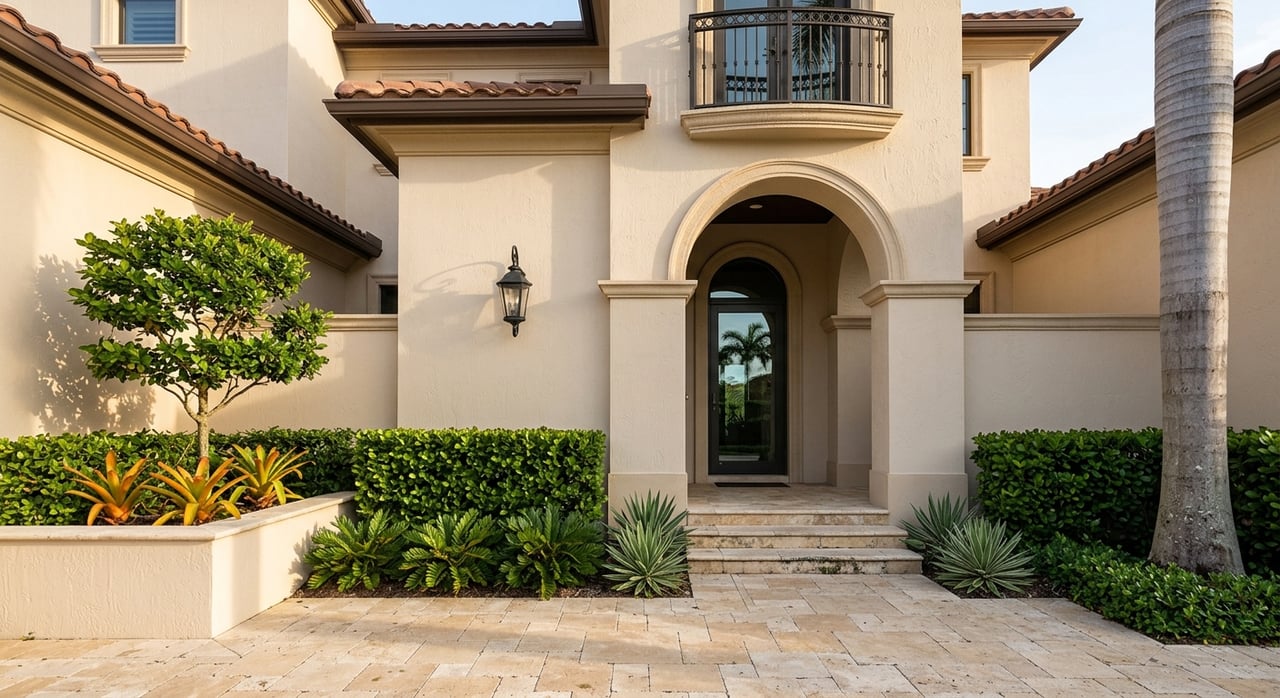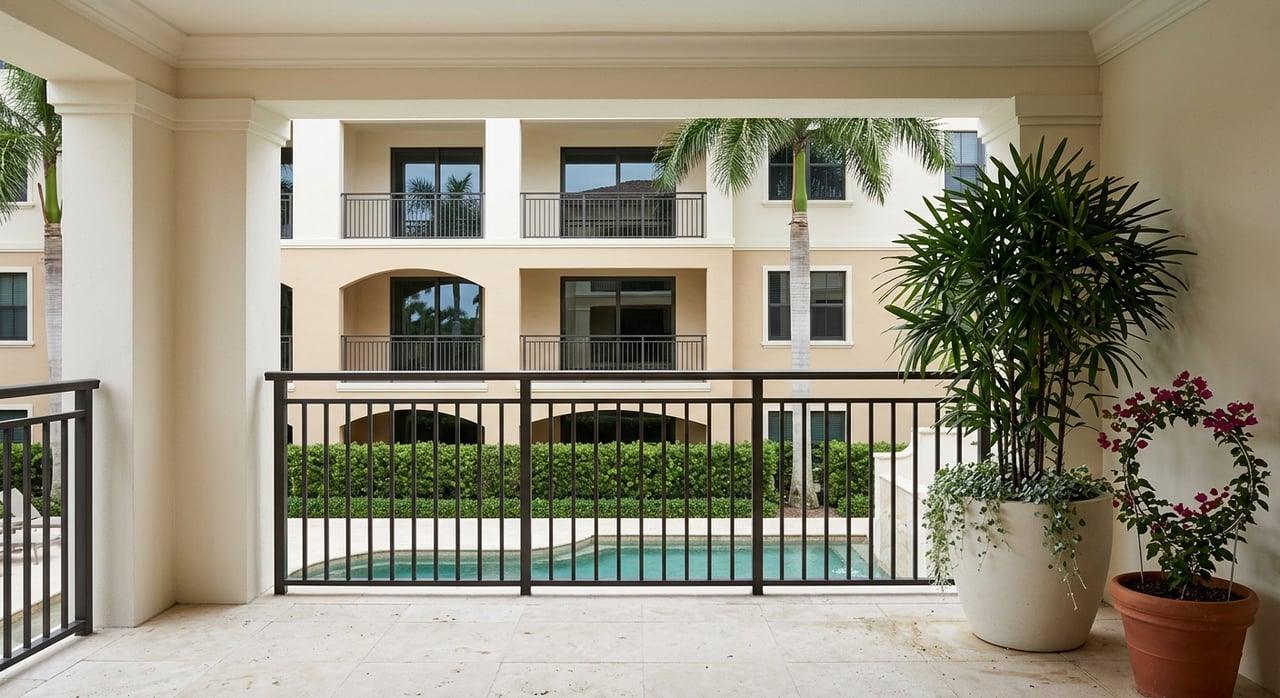
Wondering whether a Palm Beach condo or a single-family home is the better fit for your life? In this market, the choice can shape not just your purchase price, but also your monthly costs, maintenance responsibilities, insurance needs, and day-to-day experience. If you are weighing convenience against privacy, or flexibility against control, this guide will help you compare the tradeoffs clearly. Let’s dive in.
Palm Beach Price Gap Matters
In Palm Beach, condos and single-family homes often serve very different buyer goals, and the pricing shows it. In the Q4 2025 Palm Beach sales report, the median closed price was $1.2 million for condos and $13.17 million for single-family homes.
That gap is important because it highlights what you are usually buying in each category. A condo often offers a lower entry point on the island, while a single-family home typically prices in land, privacy, and more direct control over the property.
Cash also played a major role across both segments. The same report shows that 95.1% of condo sales and 81.2% of single-family home sales were cash purchases, which reflects the high-end nature of the Palm Beach market.
Condo Lifestyle in Palm Beach
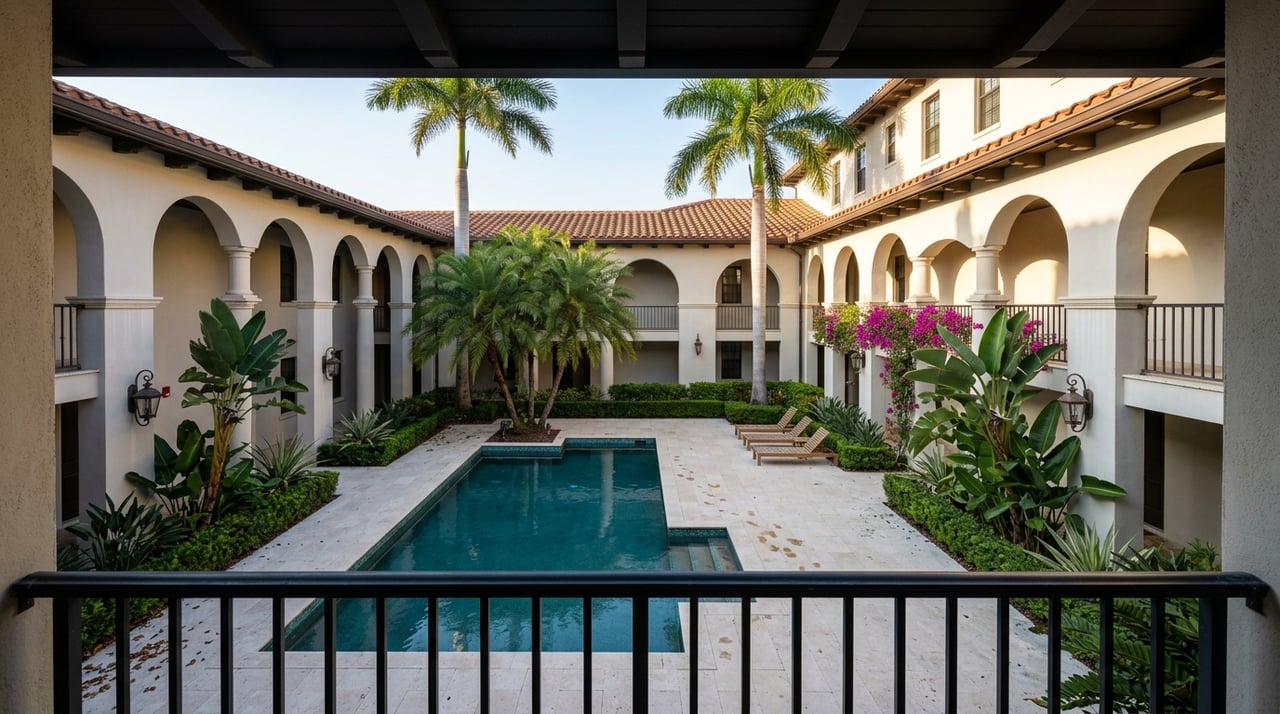
For many buyers, a condo is about simplicity. If you want a lock-and-leave property for seasonal use or a home with fewer exterior chores, condo living often fits that goal well.
Because condos operate within a shared building structure, some responsibilities are handled at the association level. Florida’s condo insurance guidance explains that an HO-6 policy covers your personal property and certain building items not insured by the association’s master policy.
In practical terms, that setup usually means less day-to-day exterior upkeep for you. It also means less direct control over the building, shared spaces, and community rules.
When a Condo May Fit Best
A condo may make sense if you want:
- A more convenient, lock-and-leave ownership style
- Less direct responsibility for exterior maintenance
- Building-level services and amenities
- A Palm Beach property with a lower purchase price than a typical single-family home
For second-home buyers, frequent travelers, and buyers who value ease, those advantages can be appealing.
Single-Family Home Lifestyle in Palm Beach
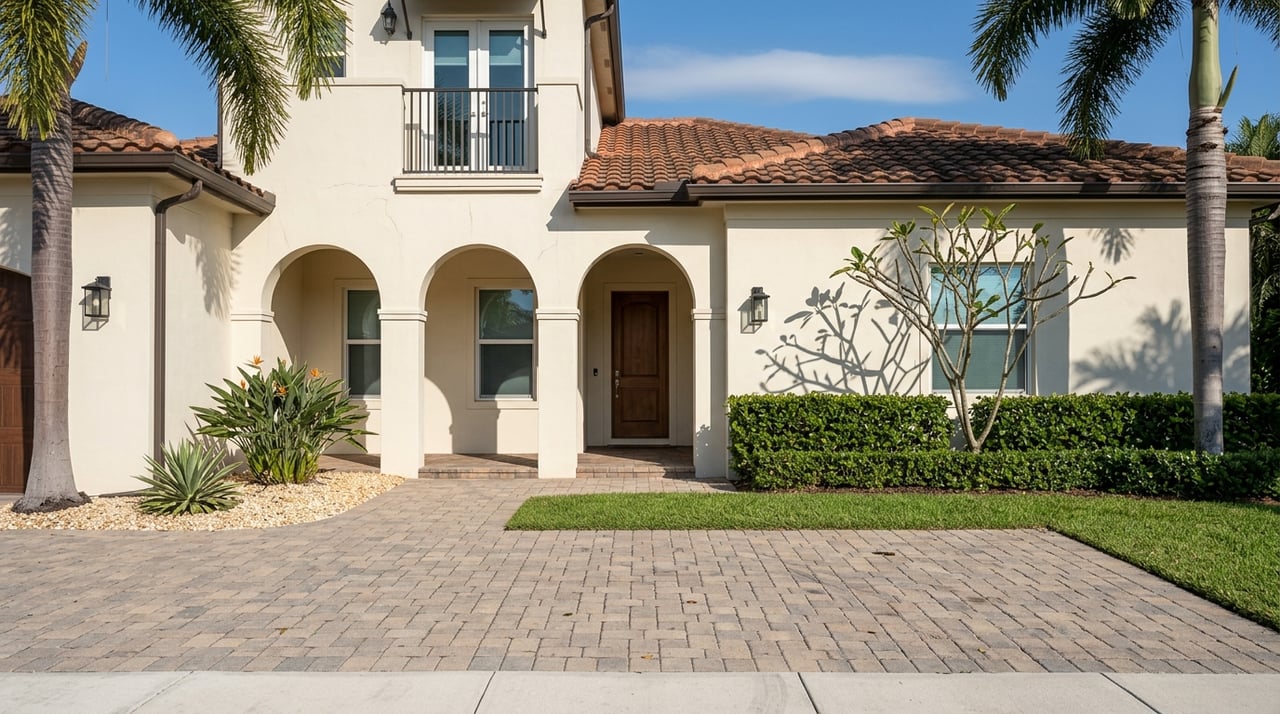
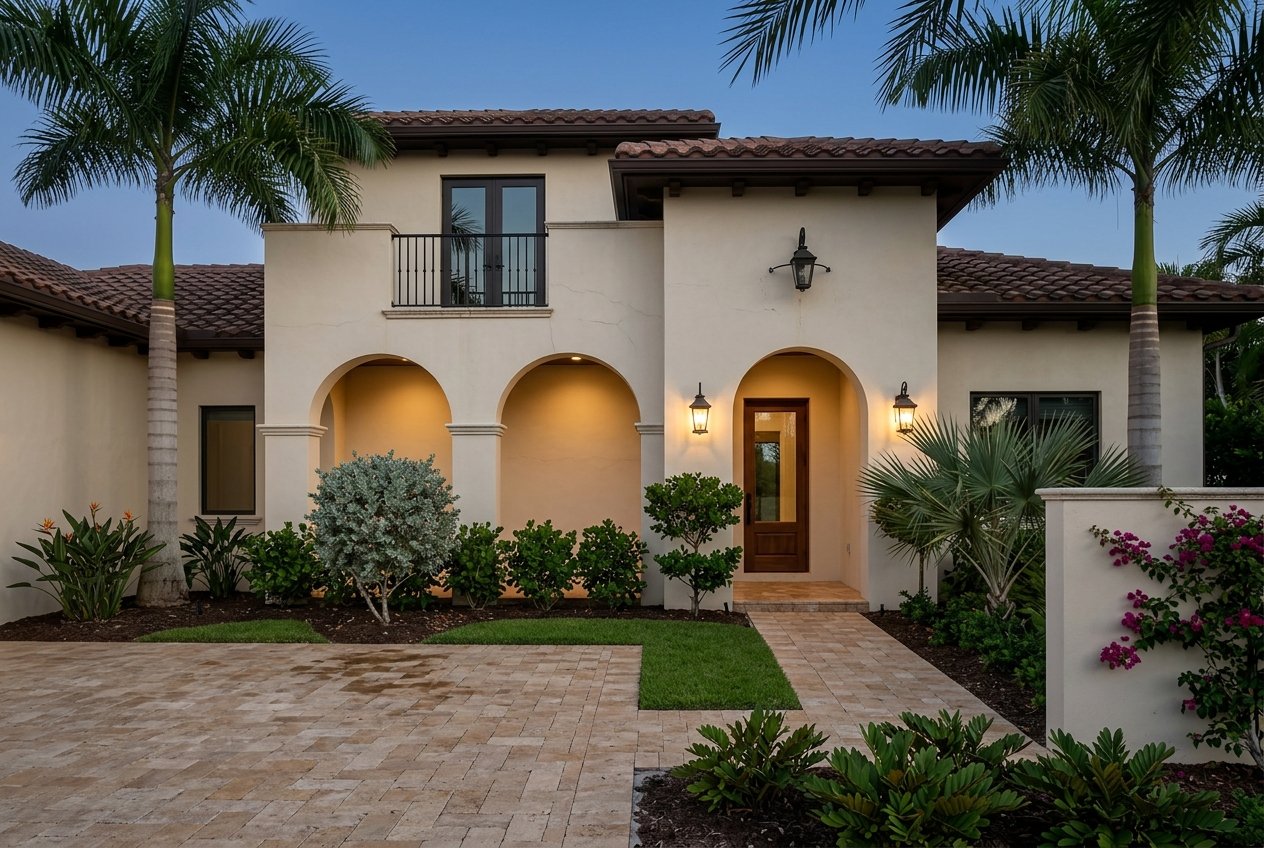
A single-family home often appeals to buyers who want more privacy, more outdoor space, and more freedom to shape the property over time. In Palm Beach, that can mean a very different ownership experience from condo living.
Florida’s standard homeowners coverage for single-family homes is commonly written on an HO-3 policy. According to the Florida insurance guidance, that type of policy generally covers the structure, other structures, contents, liability, and medical payments.
That insurance structure reflects a bigger point. With a single-family home, you are usually taking on fuller responsibility for the roof, exterior, and grounds, but you also gain more control over decisions involving the property.
When a Single-Family Home May Fit Best
A single-family home may be the better fit if you want:
- More privacy
- More land or outdoor living space
- Greater control over exterior updates and landscaping
- A more estate-style ownership experience
That said, a house is not always free of shared rules. If the property is in a homeowners association, Florida Chapter 720 allows mandatory membership and assessments, so it is smart to review those details early.
Monthly Costs Are Not Just the Purchase Price
It is easy to assume the lower-priced property will also be easier to carry each month, but that is not always true. In Palm Beach, condos may look more approachable on the purchase side while still carrying meaningful ongoing costs.
For a condo, your monthly cost picture may include association dues, reserve funding, your HO-6 policy, and potential exposure to special assessments. That is why buyers should look beyond the list price and ask for the association’s budget, reserve schedule, and any pending assessments or repair plans.
With a single-family home, the pattern is often the reverse. The purchase price may be much higher, but you usually have more control over how and when you spend on maintenance, repairs, and upgrades.
Maintenance and Insurance Tradeoffs
The right choice often comes down to the kind of responsibility you want to carry. A condo can reduce your direct maintenance load, but it also adds shared financial risk through the association.
Florida’s condo insurance guidance says associations may assess unit owners for damage to commonly owned areas when damage is not covered or reserves are insufficient. It also says HO-6 policies must include at least $2,000 of loss-assessment coverage.
That means condo ownership can involve costs that are partly outside your direct control. If the building needs major work or reserves fall short, owners may share in those costs.
Single-family ownership is usually more straightforward in structure. You are typically responsible for maintaining the property yourself, and the insurance model is simpler, but the repair decisions and timing fall more directly on you.
What to Review for a Condo
Before you buy a Palm Beach condo, ask about:
- The association’s master insurance coverage
- What your HO-6 policy would need to cover
- The building budget and reserve schedule
- Any pending special assessments
- Any known repair projects
- Whether the building is subject to milestone inspection or reserve study requirements
What to Review for a House
Before you buy a Palm Beach single-family home, ask about:
- Current insurance options and costs
- Roof, exterior, and major system condition
- Flood zone status
- Whether there is an HOA
- Any HOA dues, assessments, or property rules
Florida Condo Rules Can Affect Costs
In Florida, condo due diligence matters more than ever, especially in older buildings. State law now requires milestone inspections for qualifying condo and co-op buildings that are three habitable stories or more, beginning at 30 years and repeating every 10 years.
Florida also requires structural integrity reserve studies for qualifying condominium buildings at least every 10 years. These requirements can affect association dues, reserve contributions, and the possibility of special assessments.
For you as a buyer, the takeaway is simple. If you are considering a condo, the building’s financial and physical condition matters just as much as the unit itself.
Flood Risk Matters for Both Property Types
In Palm Beach, flood diligence is not optional. The Town of Palm Beach says updated FEMA flood insurance rate maps took effect on December 20, 2024, and the town provides an online flood-zone determination system.
The town also notes that homeowners insurance does not cover flood losses. For both condos and single-family homes, that makes flood-zone review an important part of the buying process.
There is one potential cost advantage worth noting. The Town of Palm Beach participates in the National Flood Insurance Program Community Rating System as a class 6 community, which gives NFIP flood-insurance policyholders a 20% discount.
For mortgaged homes in special flood zones, lenders commonly require flood coverage. Even when it is not required, understanding the property’s flood exposure can help you compare the true cost of ownership more accurately.
Do Not Overlook Ownership Structure
Most buyers are comparing condos and houses, but sometimes a third option appears: a co-op. If that happens, it is worth slowing down and reading the legal structure carefully.
Florida Chapter 719 says a cooperative parcel represents membership or ownership of shares in the cooperative, along with a lease or other document giving possession. That is different from owning a deeded condo unit or a fee-simple house.
If you are looking at a boutique building or a less common ownership format, the governing documents deserve extra attention. The finishes may look similar, but the legal structure is not.
A Simple Way to Choose
If you are deciding between a Palm Beach condo and a single-family home, try framing the choice around how you want to live and what you want to manage.
A condo is usually the better fit if you want convenience, easier seasonal use, and less exterior responsibility. A single-family home is usually the better fit if you want privacy, outdoor space, and more control over the property.
Neither option is automatically better. The better choice is the one that matches your budget, your time horizon, and the kind of ownership experience you actually want.
If you are buying a primary residence, tax treatment may also matter. The Palm Beach County Property Appraiser says you may qualify for homestead exemption if the property is your permanent residence, which can reduce assessed value, so it is worth verifying eligibility early.
When you compare the real numbers, review the insurance setup, and understand the ownership rules, the right path usually becomes much clearer.
If you want help comparing Palm Beach condos and single-family homes based on your lifestyle, budget, and long-term plans, Robert Temelkoski can help you evaluate the options with clear local guidance.
FAQs
What is the main price difference between Palm Beach condos and single-family homes?
- In the Q4 2025 Palm Beach sales report, the median closed price was $1.2 million for condos and $13.17 million for single-family homes.
What makes a Palm Beach condo appealing for seasonal buyers?
- A condo often suits seasonal buyers because it usually offers a lock-and-leave setup, less exterior upkeep, and shared building services.
What should you review before buying a Palm Beach condo?
- You should review the association budget, reserve schedule, master insurance coverage, pending assessments, repair plans, and whether the building is subject to milestone inspection or reserve study rules.
What insurance differences matter when buying a Palm Beach house versus condo?
- Condo owners commonly carry an HO-6 policy for personal property and certain interior items, while single-family homeowners commonly use an HO-3 policy that generally covers the structure, other structures, contents, liability, and medical payments.
Why does flood zone status matter for Palm Beach properties?
- Flood zone status matters because homeowners insurance does not cover flood losses, and flood insurance may be required by lenders for mortgaged properties in special flood zones.
What is a co-op compared with a Palm Beach condo or house?
- A co-op is a different ownership structure in which you hold shares or membership interests plus a right of possession, rather than owning a deeded condo unit or a fee-simple house.